










What it is
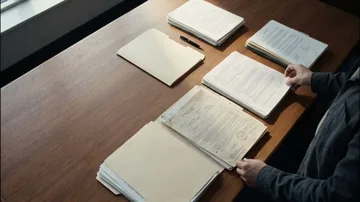
An FDA Form 483 lists inspectional observations: conditions an investigator believes may violate the FD&C Act or related rules, handed to company management at the end of an inspection. A 483 is not a final agency finding. The company responds, and FDA decides later whether further action, such as a warning letter, is warranted.
There are two quite different sources people mean when they say “483 data”:
- FDA’s Inspection Observations page. FDA publishes yearly spreadsheets summarizing the observation citations its electronic system generated, by product area and CFR reference. The page currently covers fiscal years 2006 through 2025 and was last updated December 16, 2025. These are aggregated counts and citation text, not company documents.
- Individual Form 483s. These are specific documents about a named firm. Some are released in redacted form, typically after FOIA requests, and appear on FDA or third-party sites.
Our “check required” rating mainly concerns the second category.
Where to find it
- FDA Inspection Observations page: annual spreadsheets by fiscal year.
- FDA Data Dashboard: inspection classifications and citations you can filter.
- FOIA releases: individual 483s, redacted, through FDA’s FOIA processes or commercial databases.
Reuse terms
FDA-authored content on fda.gov is in the public domain unless otherwise noted, so the annual observation spreadsheets are generally reusable. Individual 483s raise other questions:
- Personal information. Even redacted 483s can name investigators, site staff, or patients indirectly.
- Confidential commercial information. Redaction protects much of it, but third-party copies may vary in quality.
- Licensing of commercial databases. If you obtained 483s from a paid service, its contract, not FDA’s policy, governs AI use.
- Fairness. A 483 records observations, not proven violations. Presenting it as a finding about a named company can mislead.
Using 483 data in AI and RAG
- Start with the aggregated spreadsheets. They are the cleanest source for trend questions such as “top cited 21 CFR 211 sections for sterile drug sites.”
- Record the fiscal year and file update date on every chunk. FDA adds a new year’s file and may revise older ones.
- Keep individual 483s in a separate, access-controlled collection, with the source (FDA FOIA, vendor, own company) and license recorded.
- Strip or mask personal names before indexing, even where FDA has already redacted.
- Label outputs as observations. Answers should say “was cited in a 483” rather than “violated.”
- Map citations to the regulation text (eCFR) so readers see the requirement, not just the shorthand citation.
Common mistakes
- Treating a 483 as proof of a violation or as FDA’s final position.
- Mixing your own company’s 483 (confidential) with public data in one shared index.
- Ignoring that the spreadsheets reflect citations from FDA’s electronic system, not every inspection.
- Using a vendor’s 483 library for AI training without checking the contract.
Checklist
- Aggregated spreadsheets downloaded from fda.gov with fiscal year and update date
- Individual 483s stored separately, with source and license recorded
- Personal names masked
- Output wording reviewed: “observation,” not “violation”
- Citations linked to current regulation text
- Legal or privacy review completed for individual documents
How AskDona helps
AskDona compares your procedures and records against frequently cited requirements and shows the regulation text and observation data behind each flag. Your own inspection history can be kept in a private workspace, separate from public data.
Run a sample inspection-readiness check against 483 trends
AskDona shows the evidence; your quality team decides.
Editor’s note. This article is general information, not legal advice. The “check required” rating comes from our source list and is a first-pass judgment, not a legal opinion. Get a privacy and legal review before indexing individual 483s.
FAQ
Are FDA 483s public? The annual observation summaries are published on fda.gov. Individual 483s are not routinely posted; redacted copies are typically released through FOIA.
Can I use the observation spreadsheets in a commercial AI tool? Generally yes, as FDA-authored public domain content, unless a file notes otherwise. Keep the fiscal year with every record.
Is a 483 the same as a warning letter? No. A 483 lists observations at the close of an inspection. A warning letter is a later, separate communication that FDA may send if it considers the issues significant.
What is the newest year available? As of the page update on December 16, 2025, the spreadsheets cover FY2006 through FY2025.
References
All pages opened and checked by October 26, 2026.
| Source | What it supports |
|---|---|
| FDA Inspection Observations | Annual spreadsheets FY2006–FY2025, last updated Dec 16, 2025 |
| FDA Website Policies | Public domain status of fda.gov content, unless otherwise noted |
| FDA Warning Letters | Distinction between later enforcement communications and observations |